

 Facebook
 X
X
 Pinterest
 Copy Link
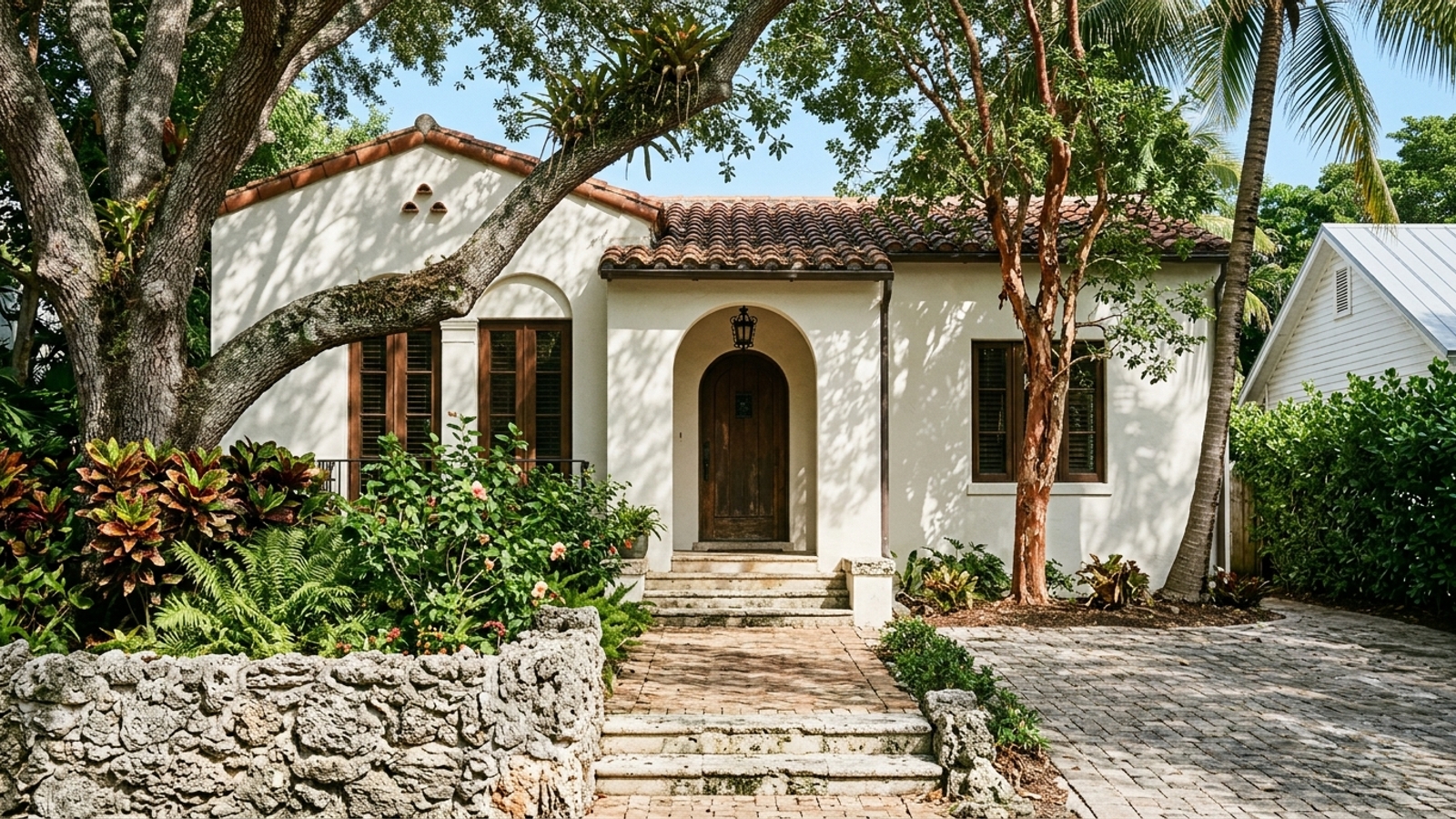
Coconut Grove runs along the shoreline of Biscayne Bay, which makes it one of the more distinctive addresses in the Miami area – and one of the pricier ones. The median home price in the wider Miami region recently hovered around $649,570, but Coconut Grove operates in a different bracket entirely. Local median home values currently range from $1.26 million to $1.35 million for anyone buying a home in Coconut Grove, FL.
That gap tells you most of what you need to know upfront. Whether the move makes sense comes down to how those housing costs stack up against what you’re getting: waterfront access, a walkable commercial center, a specific climate exposure, and a commute into downtown Miami that’s shorter than what you’d face from suburbs further south or west. This guide lays out the concrete realities using recent local data so you can make that call for yourself.
The Quick Verdict on Living in Coconut Grove, FL
This is a place where your budget and your daily routine both get tested. The waterfront parks are real, the walkability around CocoWalk is real, and the commute advantage over outer suburbs is real. So are the property values and the environmental risks.
If you’re coming from a more affordable part of Miami-Dade County, the sticker shock is going to be immediate. The facts below walk through the main tradeoffs so you know exactly what you’re weighing.
Pros at a Glance
Coconut Grove gives you direct access to Biscayne Bay, including Dinner Key Marina and multiple waterfront parks. The central district anchored by CocoWalk puts shopping and dining within walking distance. And compared to suburbs further south or west, the commute into downtown Miami is relatively short.
Cons at a Glance
Housing is the obvious hurdle – average rents around $1,601 per month, and home prices well above the regional median. Beyond cost, you’re also dealing with genuine environmental exposure: hurricanes, storm surges, and seasonal king tide flooding aren’t hypotheticals here. Add limited inventory to the mix and finding the right property can take a while.
Where Coconut Grove Sits in Miami-Dade County
Coconut Grove is located directly within Miami-Dade County, south of the Brickell neighborhood and east of Coral Gables. The area covers 5.607 square miles along the coast, and its position on the map puts it squarely in the path of drivers heading into the urban core of Miami. South Bayshore Drive and US-1 are the main arteries through the surrounding region.
It’s a real neighborhood with its own borders and civic identity, not just a branded stretch of a larger district. That distinction matters when you’re trying to understand what you’re buying into.
Population and Size
About 21,336 people live here, with a median age of 41. The 5.6-square-mile footprint concentrates most of the commercial activity near the waterfront and the central village, so despite being part of greater Miami, the area has a coherent center rather than spreading in every direction.
What the Crime Statistics Show for Coconut Grove
As of 2026, the overall crime index for Coconut Grove is 149, which is 49% above the national average. That figure comes from FBI Uniform Crime Reporting (UCR) and local law enforcement data via DoorProfit, and it indicates the area experiences fewer reported incidents than 29% of Miami neighborhoods.
What that number doesn’t tell you is what’s happening on a specific block. Property types, street lighting, and proximity to major intersections all shift the picture considerably, so broad neighborhood statistics only get you so far.
Finding Official Crime Data
The Miami Police Department and the Miami-Dade Police Department both provide public crime mapping and data. You can access it directly through the CrimeMapping.com portal – search by specific address or intersection rather than by neighborhood name. Looking at the raw data shows you exactly what types of incidents have been reported near any property you’re seriously considering.
Cost of Living and Housing Prices in Coconut Grove
The wider Miami region recently had roughly 3,972 homes on the market, a median sale price of approximately $649,570, and an average of 116 days on the market. Coconut Grove runs considerably higher, with local median home values sitting between $1.26 million and $1.35 million.
For buyers, that means a competitive market for single-family homes and condos. For renters, average monthly rates run around $1,601. Either way, housing is the dominant line item in your cost-of-living calculation here.
Income Needed for Coconut Grove
The median household income in Coconut Grove is approximately $103,420 to $109,000. Keeping pace with local expenses generally requires earnings above that median – a household salary of $100,000 to $153,000 or more is what’s typically recommended to live comfortably here. Property taxes and insurance premiums need to be part of your monthly budget math, not an afterthought.
Population and Community Amenities
The roughly 21,336 residents here share access to a dense network of civic and commercial amenities. Walkable village centers and regular community gatherings are genuinely part of how the neighborhood functions, and local events pull crowds from across Miami-Dade County throughout the year. Two major fixtures on the calendar: the annual King Mango Strut and the Coconut Grove Arts Festival.
Civic Life and Local Events
Dinner Key Marina anchors the waterfront activity, and just inland, the CocoWalk shopping district concentrates retail, restaurants, and entertainment in one place. Historic sites scattered throughout the 5.6-square-mile area add public spaces that give the neighborhood a focal point separate from the main highways – which, if you’ve spent any time on US-1, you’ll appreciate.
Climate, Natural Hazards, and Things to Do
South Florida’s year-round warmth is genuine. So are the environmental risks that come with it. Coconut Grove faces real exposure to hurricanes, storm surges, and regular king tide flooding – these aren’t edge cases, they’re recurring conditions that property owners here plan around.
Elevation varies across the community, which affects flood risk in ways that aren’t always obvious from a map. The West Grove area sits at roughly 10 feet above sea level, higher than places like Miami Beach, but water intrusion during heavy storms remains a consistent issue throughout the neighborhood.
Local Parks and Entertainment
Outdoor recreation is a central part of life here. Vizcaya Museum & Gardens and The Barnacle Historic State Park offer green space and historical architecture worth knowing about. Peacock Park and David T. Kennedy Park have open fields, walking paths, and direct views of Biscayne Bay. Sailing and boating out of Dinner Key Marina are standard weekend activities, not novelties.
Tap Water Quality
Coconut Grove’s tap water meets EPA Safe Drinking Water Act standards. The municipal supply is treated and monitored regularly by county authorities. That said, some residents use water filters anyway – common concerns include chlorine taste, the presence of PFAS, and aging plumbing infrastructure in the area’s older homes.
Comparing Coconut Grove to Nearby Miami Neighborhoods
Brickell and Coral Gables come up constantly in these conversations, and for good reason – they’re the most direct comparisons for buyers who are weighing their options in this part of Miami. Each one delivers a different mix of housing types, commute times, and daily expenses.
Coconut Grove’s inventory runs toward historic single-family homes, modern estates, and mid-rise condos set into dense foliage. Downtown Miami and Brickell are high-rise condo territory with immediate access to the urban financial district.
Tradeoffs in Cost and Commute
The premium you pay in Coconut Grove is largely for proximity to the bay at a lower density than the urban core. The median home value of $1.26 million to $1.35 million here tends to buy a single-family lot. That same budget in Brickell more likely gets you a luxury high-rise unit – a genuinely different lifestyle, not just a different address.
On the commute: getting into downtown Miami means US-1, which carries heavy volume during rush hour. Test that drive during actual morning and evening peaks before you commit. The difference between what it looks like on a map and what it feels like at 8:15 a.m. can be significant.
Specialized Housing: Senior, Assisted, and Sober Living
The area supports various specialized housing facilities for residents at different stages of care – assisted living for older adults and structured recovery environments among them. Availability and pricing vary, and a number of these facilities sit just outside Coconut Grove’s official boundaries in neighboring parts of Miami-Dade County.
Assisted Living Facilities
Seniors looking for assisted living have several options nearby. Facilities in the immediate vicinity include The Palace at Kendall, Mirabelle in Dadeland, Golden Girls Home Inc., and Senior Haven Assisted Living Inc. Each offers different tiers of medical supervision and daily assistance – touring the specific locations is the only reliable way to evaluate what they provide.
Sober Living Resources
Structured recovery options in the area include the Miami Behavioral Health Center Coconut Grove Branch and Coconut Grove Recovery in Miami Lakes. Local AA and NA meetings are also hosted throughout the community, providing ongoing support networks for individuals in recovery.
Amenities by Life Stage in Coconut Grove
Coconut Grove has infrastructure that serves residents across different phases of life – public schools, parks, and healthcare clinics among them. How well any of it works for your household depends partly on your exact address within the 5.6-square-mile boundary, since zoning lines and facility service areas dictate which schools and clinics are closest to you.
That’s not a minor detail. It’s worth confirming before you fall in love with a specific property.
Schools and Parks
Coconut Grove is served by Miami-Dade County Public Schools (MDCPS). School boundaries are address-specific, don’t follow neighborhood lines, and are subject to change by the district – so verify your zone directly with MDCPS rather than assuming based on general location. For recreation, Alice C. Wainwright Park and Elizabeth Virrick Park offer playgrounds, sports courts, and open space for after-school and weekend use.
Healthcare Services
Local healthcare options include the Community Health of South Florida (CHI) Coconut Grove Health Center, One Medical, Med One Medical Center, and Americare Renal Center. For emergency services and specialized treatment, HCA Florida Mercy Hospital is the nearby anchor. Having a major medical center within reach matters more than it seems like it will until you need it.
Frequently Asked Questions (FAQ)
Is Coconut Grove, FL a good place to live?
It depends on your budget and your tolerance for environmental risk. The waterfront access at Dinner Key Marina is real, CocoWalk is genuinely walkable, and the proximity to Miami is a legitimate advantage. The tradeoffs are high housing costs, exposure to hurricanes and king tide flooding, and limited inventory of available homes.
What are the cons of living in Coconut Grove?
The cost of living and the environmental hazards are the two that come up most. Median home values run over $1.26 million, storm surges and seasonal flooding are recurring issues, and traffic on US-1 makes the commute into downtown Miami time-consuming during peak hours.
Is Coconut Grove expensive to live in?
Yes. The median home value sits between $1.26 million and $1.35 million, and average rents run around $1,601 per month. A household salary of $100,000 to $153,000 or more is generally what experts recommend to live comfortably here.
What do the crime statistics show for Coconut Grove, FL?
As of 2026, the overall crime index for Coconut Grove is 149, which is 49% above the national average. According to DoorProfit’s analysis of FBI UCR and local law enforcement data, the area experiences fewer reported incidents than 29% of Miami neighborhoods.
Is Coconut Grove or Miami a better fit to live in?
That comes down to the housing type you want and how you feel about commuting. Coconut Grove has historic single-family homes and a quieter waterfront setting, but carries a higher median price than many broader Miami neighborhoods. Downtown Miami offers denser high-rise living with closer proximity to the urban financial district.
What specialized housing options are available in Coconut Grove for seniors or assisted living?
Several assisted living facilities operate in the surrounding area, including The Palace at Kendall, Mirabelle in Dadeland, Golden Girls Home Inc., and Senior Haven Assisted Living Inc.



