

 Facebook
 X
X
 Pinterest
 Copy Link
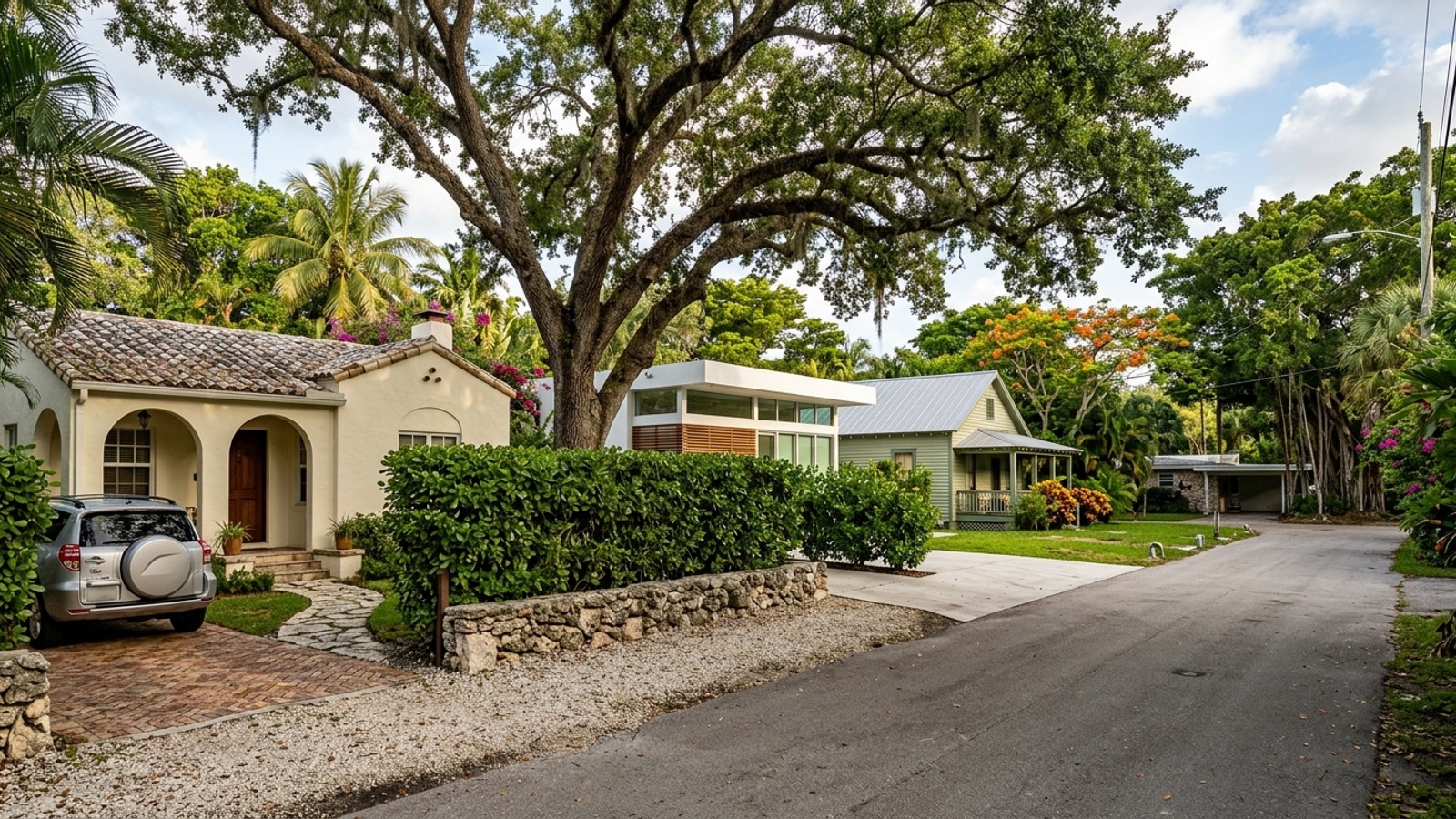
The broader Miami market currently shows a median sale price of around $649,570, with homes taking about 116 days to sell. When buying a home in Coconut Grove, those timelines shift depending on where exactly you’re looking. Recent 2026 data shows homes in Southwest Coconut Grove sitting for about 74 days, while properties in Northeast Coconut Grove average closer to 100 days on the market.
That kind of variation matters. A dedicated buyer’s agent in Coconut Grove, FL tracks these subtle neighborhood differences and knows how to structure a competitive offer – not someone who’s going to hand you a county-wide average and call it research. The right agent protects your interests and evaluates properties against localized sales data, not broad Miami trends.
Why You Need Dedicated Representation in Coconut Grove
Under Florida Statutes §475.278, real estate licensees default to acting as transaction brokers. That means limited, non-fiduciary representation for both buyers and sellers unless a single-agent relationship is established in writing. Florida doesn’t permit traditional dual agency, where one licensee acts as a fiduciary for both parties in the same transaction.
If you want someone fully in your corner, you need a dedicated buyer’s agent. A single agent owes you fiduciary duties – they must prioritize your financial interests throughout the transaction. In a market with as many distinct micro-neighborhoods as the Grove, that level of representation isn’t a luxury.
Understanding the Local Real Estate Market
Coconut Grove isn’t one market. It breaks into distinct sections – North Grove, South Grove, and Center Grove – each with different property types and price points. An experienced agent tracks inventory in these specific pockets rather than relying on county-wide averages.
With broader Miami inventory sitting around 3,972 available homes, a precise count of properties fitting your criteria in the Grove saves you time. Your agent filters out the noise and alerts you the moment something suitable hits the market.
Negotiating Offers and Inspections
Homes in the Miami area are currently selling for about 95% of their list price. A skilled agent uses local sales data to help you land on an opening offer that makes sense for the specific property – not a number pulled from thin air. They analyze recent comparable sales so you don’t overpay.
Once you’re under contract, the work shifts to inspections. Your agent reviews the inspection report with you, negotiates repairs or credits before the due diligence period expires, and handles the back-and-forth with the listing agent to keep things moving.
What to Look for in a Local Real Estate Professional
Miami-Dade County has thousands of licensed real estate agents. A license tells you very little. What you’re evaluating is their specific experience in Coconut Grove – and those are very different things.
An agent who primarily sells condos in Brickell may have no real feel for the older single-family homes common in the Grove. Your search should focus on agents with a proven track record in the exact neighborhoods where you want to buy.
Neighborhood Expertise
Your agent should know the boundaries and zoning differences between North, South, and Center Grove without having to look them up. That includes understanding the coastal flood zones that affect insurance costs in Miami-Dade County, and knowing how to price a property based on its proximity to local commercial districts or the waterfront.
That hyper-local knowledge keeps you from making assumptions based on broader county trends. An agent who genuinely knows the Grove will flag things you’d never think to ask about – specific street elevations, upcoming infrastructure projects, the factors that quietly affect property values.
Communication and Availability
Real estate transactions run on tight deadlines. You need an agent who responds promptly when new listings hit the MLS, because delays can cost you the chance to see a home before another buyer submits an offer.
Discuss their working hours and preferred communication methods upfront. If they’re part of a larger brokerage team, find out who will be showing you homes on weekends and answering questions during negotiations. It’s a reasonable thing to ask.
Experience with Your Property Type
Coconut Grove has a real mix – historic homes, modern new construction, luxury condos. Each comes with different inspection concerns and homeowners association rules. Older homes often need specialized roof or plumbing inspections; condos require a close read of association budgets.
Ask the agent about their recent sales history. Contract contingencies and negotiation strategies vary by property type, so you want someone who has closed deals on the kind of home you’re buying.
Questions to Ask During Your Agent Interviews
Interview multiple candidates before signing anything. Think of it as a job interview where you’re the one doing the hiring. Comparing their answers side by side will tell you more than any single conversation.
Prepare a consistent list of questions for each agent. Pay attention to the specific details they share when explaining local market dynamics.
How long have you worked in the area?
Years in the business don’t automatically equal local expertise. Ask specifically about deals they’ve closed within Coconut Grove over the past 12 to 24 months. You want someone who’s actively working in the current market, not someone who drifts in occasionally.
An agent with a strong recent track record in the Grove will have a sharper read on current pricing trends. They’ll also know the listing agents who frequently represent sellers in these neighborhoods – and that familiarity matters when you’re negotiating.
Can you explain your fee structure?
Following the August 2024 NAR settlement rules, buyer agent commissions are no longer published on the MLS. You negotiate compensation directly with your agent. Nationally, average buyer’s agent commissions have remained around 2.4% to 2.5% since the change.
Ask how they handle their fees if the seller doesn’t offer to cover the buyer’s agent compensation. You need a clear answer to that question before you commit to working with anyone.
Do you have a network of local vendors?
A well-connected agent comes with a roster of reliable professionals – mortgage lenders, home inspectors, the people you’ll need. That’s especially useful if you’re relocating from outside Miami-Dade County and don’t have your own contacts yet.
Ask specifically for recommendations for insurance brokers who understand Florida’s property and flood insurance requirements. Having those contacts in place early can prevent delays during escrow and give you accurate numbers for your carrying costs before you’re under contract.
Understanding Florida Buyer Representation Agreements
Before you tour homes with an agent in Florida, you must sign a written buyer-broker agreement. This requirement became mandatory nationwide following the 2024 industry changes. The document outlines the professional relationship, the agent’s duties, and how they’ll be compensated.
Read it carefully. You should never sign a representation agreement without understanding the specific terms around compensation and exclusivity.
The Required Buyer Broker Agreement
The agreement specifies whether you’re entering an exclusive or non-exclusive relationship. An exclusive agreement means you commit to working only with that agent for a set period. It also establishes the legal nature of your relationship under Florida law – whether as a single agent or a transaction broker.
The contract spells out the exact compensation the agent expects. If the seller agrees to pay a commission lower than the amount in your agreement, you may be responsible for covering the difference at closing.
Terms and Cancellation Policies
Most agreements run anywhere from 30 days to six months. Negotiate a timeframe that matches your actual search timeline. If you’re just starting out, a shorter term lets you evaluate the agent’s performance before you’re locked in for the long haul.
Look for a cancellation clause. It outlines the steps you’d need to take to terminate the agreement if you’re unsatisfied with the agent’s performance or decide to pause your search entirely.
Frequently Asked Questions
Do I have to pay a buyer’s agent in Coconut Grove?
It depends. Sellers can still offer to pay the buyer’s agent compensation, but it’s no longer automatic or advertised on the MLS. If the seller refuses to cover the fee, you’re responsible for paying the amount outlined in your signed buyer-broker agreement.
How many buyer’s agents should I interview?
Interview at least two to three agents before making a decision. That gives you enough to compare – their communication styles, their knowledge of the Coconut Grove market, and their proposed fee structures.
Why is it important to hire an agent who specializes specifically in Coconut Grove rather than all of Miami?
Local specialization matters because market conditions vary widely across Miami. While broader Miami homes take around 116 days to sell, Southwest Coconut Grove properties average closer to 74 days – which means you need an agent who knows exactly how fast to move in this specific sub-market.
What specific questions should I ask an agent about Coconut Grove’s flood zones and micro-neighborhoods during an interview?
Ask them to explain the boundary differences and property types between North Grove, South Grove, and Center Grove. Also ask how current coastal flood zones affect insurance costs for single-family homes in those specific areas.
Can a local buyer’s agent help me find off-market or pocket listings in the Grove?
Yes. Agents with a long track record in Coconut Grove maintain networks with other local brokers and past clients, which gives them access to homes before they hit the broader MLS inventory of 3,972 Miami listings.
What happens if I sign a Florida buyer representation agreement but want to switch agents before buying a house?
Start with the cancellation clause in your specific contract. If the agreement allows for early termination, you can cancel in writing. If it doesn’t, you may have to wait for the 30-day to six-month term to expire before hiring someone else.



