

 Facebook
 X
X
 Pinterest
 Copy Link
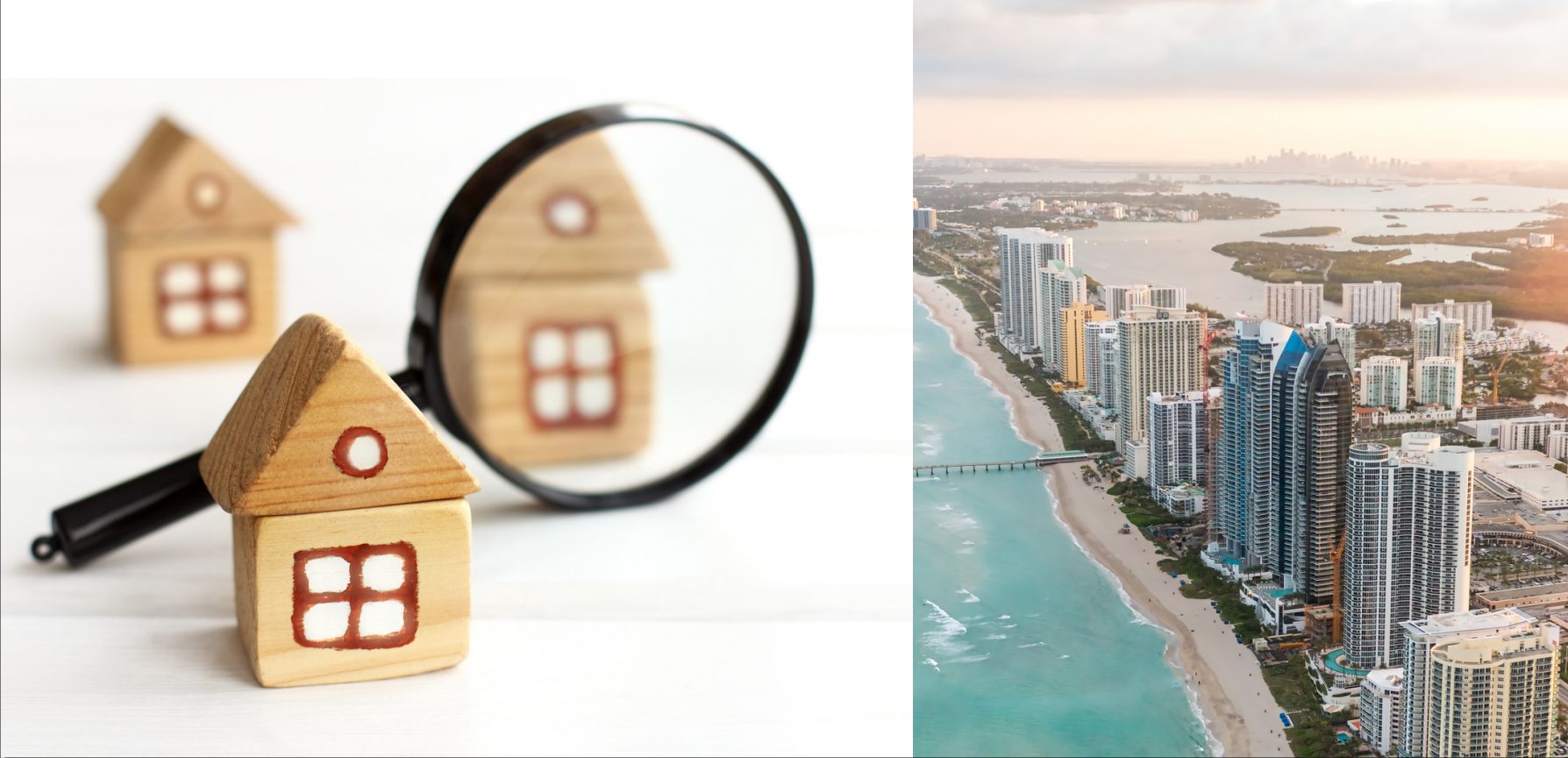
Is now a good time to sell a home in Miami? Miami’s market in 2026 is more balanced than the frenzied seller’s market of 2021-2022. Prices remain elevated, but days on market have lengthened and inventory has grown, especially for condos. Whether now is the right time depends heavily on your neighborhood, property type, and pricing strategy.
Is now a good time to sell a home in Miami?
Miami’s market in 2026 is more nuanced than national headlines suggest. Prices are still well above pre-pandemic levels, but inventory has grown, days on market have lengthened, and buyers have more choices than they did two years ago. Whether selling now makes sense for you depends on your property type, your neighborhood, and how you approach pricing and presentation from day one.
Here’s what the data actually shows, and what I tell my clients when they ask me this exact question.
What the Most Recent Market Data Shows
The most recent metro-level data available as of August 2026 comes from the National Association of REALTORS® Q2 2025 Metropolitan Median Prices report, which placed the Miami–Fort Lauderdale–West Palm Beach metro median existing-home sales price at $525,000 in June 2025 up 3.0% year-over-year. That’s well above the national median of $426,900 at the same point in time, according to NAR’s June 2025 Existing-Home Sales report.
That 3% annual gain sounds healthy. But the more telling signals are in the inventory and days-on-market numbers, which paint a different picture than the headline price alone.
Inventory has expanded significantly
The MIAMI Association of REALTORS® reported that Miami-Dade single-family home inventory reached 4.0 months’ supply in January 2025 up from 3.3 months a year earlier. Condo and townhouse inventory climbed even more sharply, to 6.3 months’ supply up from 5.1 months in January 2024.
To put that in context: a balanced market is generally considered 5-6 months of supply. Single-family homes in Miami-Dade were still leaning toward seller-favorable territory in early 2025. The condo market, however, had already moved into balanced-to-buyer-favorable range. These are the most recent county-level figures publicly available as of August 2026, and they represent the direction the market was heading, not a snapshot of today’s exact conditions.
Days on market are climbing
The same MIAMI Association data shows the median time to contract for Miami-Dade single-family homes was 39 days in January 2025 up from 32 days in January 2024. For condos and townhouses, it was 49 days up from 44 days a year prior.
A week or two of additional market time might not sound dramatic. But in practice, it changes everything about your strategy. A listing that sits for 50 days without an offer starts to carry a stigma. Buyers begin asking what’s wrong with it. Price reductions follow. That’s the spiral I work hard to help my clients avoid, which is why I tell luxury sellers that professional presentation and precise pricing in the first weeks drive the strongest results. You don’t get a second chance at a first impression in this market.
Miami-Dade Market Snapshot: Early 2025 vs. Early 2024 (Most Recent Available Data as of August 2026)
| Metric | January 2024 | January 2025 | Change |
|---|---|---|---|
| Single-family months’ supply | 3.3 months | 4.0 months | +0.7 months |
| Condo/townhouse months’ supply | 5.1 months | 6.3 months | +1.2 months |
| Single-family median days to contract | 32 days | 39 days | +7 days |
| Condo/townhouse median days to contract | 44 days | 49 days | +5 days |
Source: MIAMI Association of REALTORS®. Data reflects January 2025 statistics, the most recent Miami-Dade county-level figures publicly available as of August 2026.
Why mortgage rates matter to your bottom line
The Federal Reserve’s rate hikes beginning in 2022 pushed mortgage costs significantly higher through 2024 and 2025 compared with the near-zero-rate environment of 2020-2021. NAR and MIAMI have both cited elevated mortgage rates as a key factor slowing transaction volumes and stretching days on market across South Florida. Even buyers who want your property may be constrained by what they can finance at today’s rates. That’s the macro headwind every Miami seller is navigating right now.
One partial buffer: Miami’s famously high share of cash buyers. The MIAMI Association’s international buyer reports consistently show Miami-Dade as one of the top U.S. destinations for foreign real estate purchases, with a notably high proportion of all-cash transactions. In neighborhoods like Brickell, Miami Beach, and Sunny Isles Beach, that international demand can compress days on market and hold pricing firmer than countywide averages suggest, even when the broader market softens.
Why Your Neighborhood Changes Everything
This is where national real estate sites consistently get Miami wrong. A countywide median tells you very little about what your specific property will do. I’ve seen this play out repeatedly across the neighborhoods I work in.
Waterfront and condo-heavy corridors
Neighborhoods like Brickell, Edgewater, Downtown Miami, Miami Beach, and Sunny Isles Beach tend to attract higher concentrations of investor buyers, second-home purchasers, and international capital. According to MIAMI Association data, these coastal condo corridors can see larger swings in inventory and more volatile days on market when global economic conditions shift. When international demand is strong, these markets can outperform. When it softens, they feel it first.
The condo segment also carries an additional layer of complexity in 2026. Florida’s post-Surfside legislation, including mandatory milestone inspections and stricter reserve funding requirements under Florida’s condominium statutes, has introduced potential special assessments and higher HOA dues into many buildings. Buyers are asking hard questions about a building’s reserve status before they make an offer, and that scrutiny affects both pricing and time on market in specific buildings. If you own a condo, knowing your building’s inspection and reserve status before you list is not optional, it’s essential.
For international and relocating buyers considering these markets, I always make sure they understand Florida’s no-state-income-tax advantage as part of the investment case. That structural benefit continues to draw buyers from high-tax states and countries, which supports demand in Miami’s premium neighborhoods even when other headwinds are present.
Single-family and primary-residence neighborhoods
Areas like Coconut Grove, Coral Gables, and Key Biscayne, along with suburban Miami-Dade markets, tend to show steadier, owner-occupant-driven demand. These markets are less exposed to international capital flow swings. In Coconut Grove specifically, where I spend a significant portion of my time working with buyers and sellers, off-market access and local relationships matter as much as list-price shopping. There are properties that never hit the public MLS and buyers who specifically seek that kind of access. That’s a dynamic national portals simply cannot reflect.
For primary-residence sellers in these neighborhoods, the Miami-Dade County Property Appraiser’s Save Our Homes homestead assessment cap is also worth understanding. If you’ve held your home for years and benefited from capped assessed values, your buyer will not inherit that cap. Their tax burden will reset to market value, which can affect affordability calculations and, in turn, what they’re willing to offer.
A note on seasonality
MIAMI Association commentary consistently identifies Miami’s winter high season (January through March) as the period when out-of-state and international buyer activity peaks. Late summer, including August and September, tends to be slower, with hurricane season concerns and school-year transitions reducing buyer foot traffic. That seasonal pattern is worth factoring into your timing decision, and it’s one of the first things I walk through with sellers who are deciding whether to list now or hold until the market picks up again. Your specific situation, your neighborhood, and your property type all factor into that conversation.
You can stay current on neighborhood-level activity across Miami’s key markets through our neighborhood news updates, which track what’s actually happening on the ground beyond the countywide numbers.
What Sellers Can Actually Control
The macro environment is what it is. What you can control is your preparation, your pricing, and your timing within the listing window. Here’s what makes the difference in a market where buyers have more leverage than they did two years ago.
Price it right from the start
In a market with 39-49 days to contract and growing inventory, overpricing is a costly mistake. Listings that sit attract skepticism. The longer a property is on market, the more negotiating power shifts to the buyer. Every seller I work with hears this from me before we set the list price: the first two weeks are when you have the most leverage, and you only get that window once.
Presentation is not optional at the luxury level
Professional photography, video, and staging are table stakes in Miami’s luxury market. Buyers at this price point are comparing your property against well-presented alternatives across multiple neighborhoods, and often across multiple cities. A poorly presented listing in a cooling market is a compounding problem.
Understand your closing cost categories before you negotiate
Florida sellers face several cost categories that are worth understanding before you receive an offer. The Florida Department of Revenue sets the documentary stamp tax on deeds at a rate fixed by statute under Florida Statutes Chapter 201. That rate is not negotiable between buyer and seller, though the contract can specify which party pays it. Recording fees are set by the Miami-Dade County Clerk of Courts. If you own a condo, association estoppel fees under Florida Statutes Chapters 718 and 720 are typically required at closing. Owner’s title insurance responsibility is negotiable and varies by local custom and contract terms. Brokerage compensation is fully negotiable and set individually in your listing agreement, with no standard or fixed rate.
The only way to know what your net proceeds will actually look like is to run the numbers with someone who knows this market and your specific property. That’s exactly the kind of analysis I do with every seller before we list.
South Florida’s property insurance environment adds another layer. The Florida Office of Insurance Regulation has documented the elevated costs and stricter underwriting affecting Miami-Dade, and MIAMI Association and Florida Realtors have both noted that insurance affordability increasingly influences buyer budgets and willingness to purchase, particularly for older high-rise units. If your property carries high insurance costs, expect buyers to factor that into their offer.
Frequently Asked Questions
Are Miami home prices really cooling, or is it still a seller’s market in my neighborhood?
It depends on where you are and what you’re selling. The most recent metro-level data, from NAR’s Q2 2025 report, showed the Miami metro median at $525,000, still up 3% year-over-year. But inventory has grown and days on market have lengthened, particularly for condos. Single-family homes in Miami-Dade were still in seller-favorable territory in early 2025, while the condo market had moved closer to balanced. Your neighborhood, building, and price point matter far more than the countywide average.
How many days does a typical Miami house stay on the market now compared to last year?
The most recent Miami-Dade data available as of August 2026 comes from the MIAMI Association of REALTORS® January 2025 report, which showed a median time to contract of 39 days for single-family homes, up from 32 days in January 2024. Condos took 49 days, up from 44 days a year earlier. Both segments are taking longer to go under contract than they were a year prior, which makes pricing and presentation more important than ever.
Is it smarter to sell my Miami condo now, or wait until inventory tightens again?
The condo market in Miami-Dade had 6.3 months of supply as of early 2025, which puts it in balanced-to-buyer-favorable territory. Add in the scrutiny buyers are applying to building reserve studies and milestone inspections under Florida’s post-Surfside legislation, and the condo segment has real headwinds. Whether waiting makes sense depends on your building’s specific situation, your price point, and your financial timeline. This is a conversation worth having with a local agent who knows your building, not a decision to make based on countywide data alone.
Do single-family homes in Miami-Dade sell faster than condos, and how does that affect my listing strategy?
Yes, based on the most recent available data. Single-family homes had a median time to contract of 39 days versus 49 days for condos in January 2025, per the MIAMI Association. Single-family inventory was also tighter at 4.0 months versus 6.3 months for condos. If you’re selling a single-family home, you have somewhat more leverage, but you still can’t afford to overprice. If you’re selling a condo, your strategy needs to account for more competition and more buyer scrutiny around building financials.
How do international buyers influence prices and demand in my part of Miami?
Significantly, in the right neighborhoods. MIAMI Association international buyer reports consistently rank Miami-Dade among the top U.S. markets for foreign purchases, with a high share of all-cash transactions. In neighborhoods like Brickell, Miami Beach, and Sunny Isles Beach, international demand can hold pricing firmer and compress days on market even when countywide statistics suggest cooling. In primary-residence neighborhoods farther from the coast, international buyer influence is less pronounced, and local demand drivers dominate. Understanding which dynamic applies to your property is part of building the right pricing and marketing strategy.
The bottom line: So, is now a good time to sell a home in Miami? The answer depends on your property, neighborhood, pricing strategy, and timeline. Miami’s market in 2026 still rewards well-priced, well-presented properties, but it punishes overconfidence. The sellers who do best are the ones who go in with a clear-eyed read on their specific neighborhood, not a national headline. If you’re weighing whether to list now or wait, the most useful thing you can do is get a neighborhood-level market analysis for your property, not a Zestimate.
I’m happy to walk you through exactly what the current data means for your home, your neighborhood, and your timeline. Schedule a consultation with me here and we’ll build a strategy around your specific situation.
Equal Housing Opportunity. Mitzi Mitchell is a Broker Associate with Cervera Real Estate, Inc., licensed by the Florida Real Estate Commission. Real estate agents affiliated with Cervera Real Estate, Inc. are independent contractors and not employees of the company. This article is provided for general informational purposes only and does not constitute legal, tax, or financial advice. Readers should confirm their own numbers and circumstances with a licensed attorney, tax advisor, lender, or closing officer before making any real estate decision.



